See How I Modified My Bike For Free
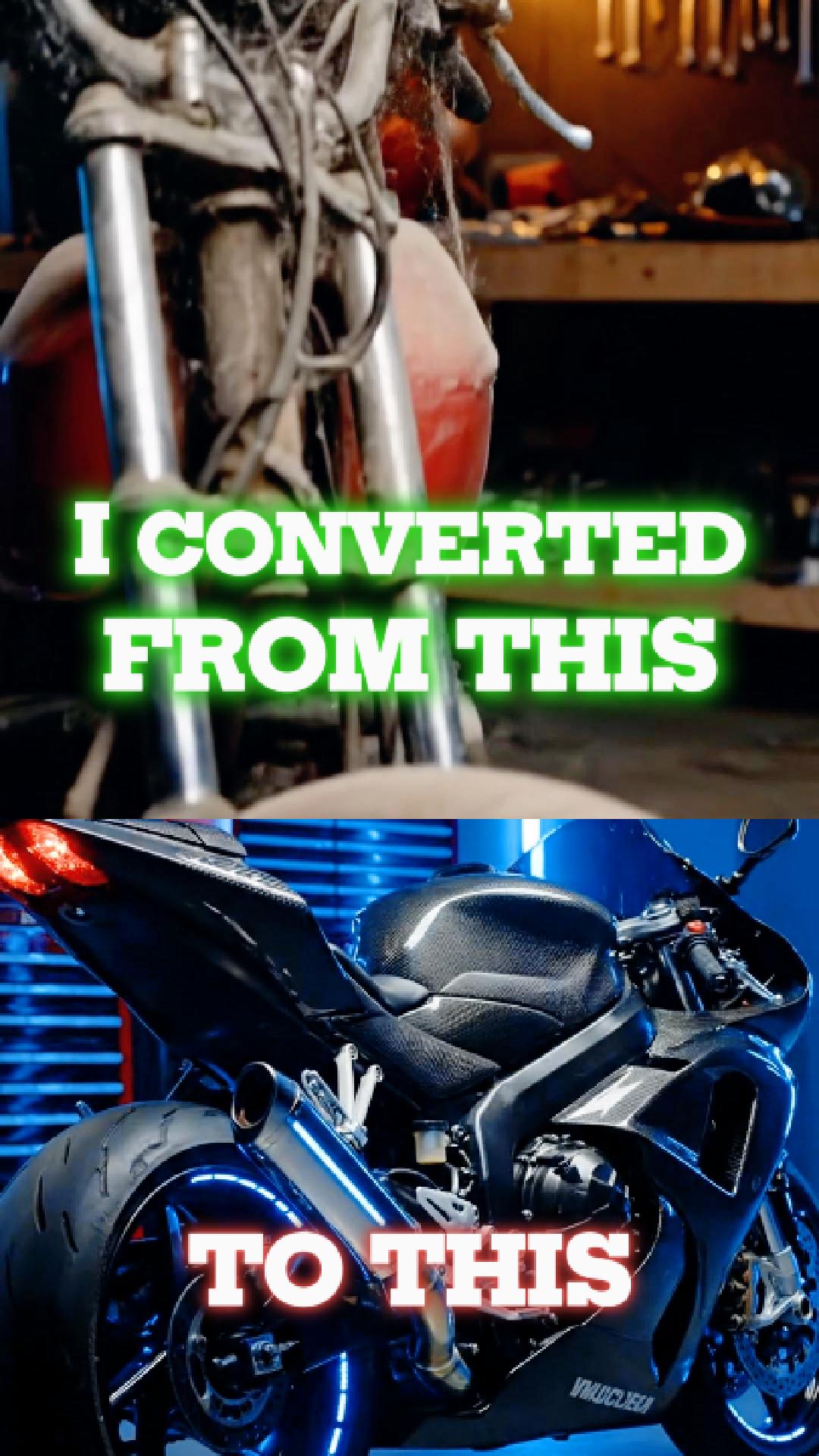
There’s this feeling you get when you walk into a high-end bike shop. You see the carbon fiber parts, the anodized bolts, and those exhaust systems that cost more than my first car. It’s intimidating right. You stand there looking at your stock bike—the one that gets you to work, the one that has seen you through rain and heat—and you feel like it’s not “enough.” We’ve been conditioned to think that “modding” means “buying.”
But I’m here to tell you that’s a lie.
Last Tuesday, I sat in my garage just staring at my bike. I didn’t have fifty bucks to my name let alone five hundred for a new slip-on. But I had a toolbox, a layer of dust on my workbench, and a sudden, burning need to make this machine feel like mine. This is how I modified my bike for absolutely zero dollars, and why it ended up feeling better than any bolt-on part ever could.
lets see more on this download button so that you all can view modified my bike collections.
The Philosophy of the “Free” Mod
Before we get into the grease, we have to talk about the mindset. When you buy a part, you’re buying someone else’s engineering. When you modify for free, you’re using your own. It’s about stripping away the “extra” stuff the factory put on to satisfy some bored lawyer in an office. It’s about finding the soul of the bike underneath the plastic.
I used to think my bike was boring. It felt like every other bike on the road. But as I started taking things apart, I realized that the “boring” parts were just layers of safety nets and mass-production compromises.
1. The Weight of the World (Stripping the Fat)
The first thing I did—and honestly, the most emotional part of the process—was taking off the “junk.” Manufacturers have to put on reflectors, massive plastic fender extensions (the dreaded “fender tail”), and heavy chain guards.
I grabbed my 10mm socket and started unscrewing the rear fender extension. As the plastic hit the garage floor with a hollow thwack, I felt this weird sense of relief. It’s like the bike was finally able to breathe. Removing those orange reflectors from the forks? It took two minutes. But suddenly, the front end looked aggressive. It looked like a racer, not a commuter.
The Mistake: I actually rounded off one of the bolts because I was rushing. I felt like an idiot. If you’re doing this, please, use the right size. Don’t be like me and try to force a standard wrench on a metric bolt just because you’re excited.
2. Ergonomics: The Handshake
Your bike communicates with you through three points: the seat, the pegs, and the bars. Most people never touch their handlebar position because they assume the factory knows best.
I loosened the four bolts on my riser and rotated the bars just two degrees forward. It sounds like nothing, right? But when I sat back down, the reach felt more purposeful. It changed my posture. I wasn’t just sitting on the bike anymore; I was tucked into it.
I also adjusted the clutch and brake lever angles. If you’ve ever felt your wrists ache after a long ride, it’s probably because your levers are pointing too high. I dropped mine down so my fingers naturally fell on them in a straight line from my forearms. Total cost: $0. Total impact: Every shift felt like a bolt of lightning.
3. The Sound of Silence (Baffle Modification)
Okay, I’ll be honest. I wanted more noise. I wanted to hear the heart beating under the tank. Most stock exhausts have these tiny little baffles or “peashooter” ends. Now, depending on your bike, you can sometimes remove the internal baffle with a single screw, or just drill a couple of small holes in the end plate (check your local laws, obviously, don’t blame me if the cops pull you over lol).
I spent an hour carefully working on the exhaust exit. When I finally hit the starter button… man. It wasn’t just louder; it was deeper. It had this growl that made my chest vibrate. I sat there in the dark garage, the smell of exhaust filling the air, and I actually teared up a little. It sounded like the bike was finally saying “thank you.”
4. Aesthetics and “The Black-Out”
I found an old half-can of matte black spray paint in the back of the shed. I didn’t buy it—it had been sitting there since I painted a mailbox three years ago. I decided to paint the silver heel guards and the gas cap ring.
The prep work was tedious. I spent more time taping off the bike than I did painting. But that’s the secret to a human touch. It’s the effort. When I pulled the tape off and saw those blacked-out accents, the bike looked “custom.” It didn’t look like a $4,000 entry-level bike anymore. It looked like something built in a dark alley by someone who knew what they were doing.
The Emotional Aftermath
Why does this matter? Why write an article about “free” mods?
Because we live in a world that tells us we need to consume to be happy. We’re told that if we want a better experience, we have to swipe a credit card. But when I was out there with grease under my fingernails, trying to figure out how to reroute a cable to make it look cleaner, I wasn’t a consumer. I was a creator.
Every time I ride now, I feel those mods. I feel the bar angle in my shoulders. I hear the exhaust in my soul. I see the clean tail section in the reflection of shop windows.
The bike isn’t just a machine anymore. It’s a part of me. And it didn’t cost me a cent. It just cost me an afternoon and a little bit of skin off my knuckles.
