Life of an Architect: Daily Routine, Skills, Career Path and Responsibilities
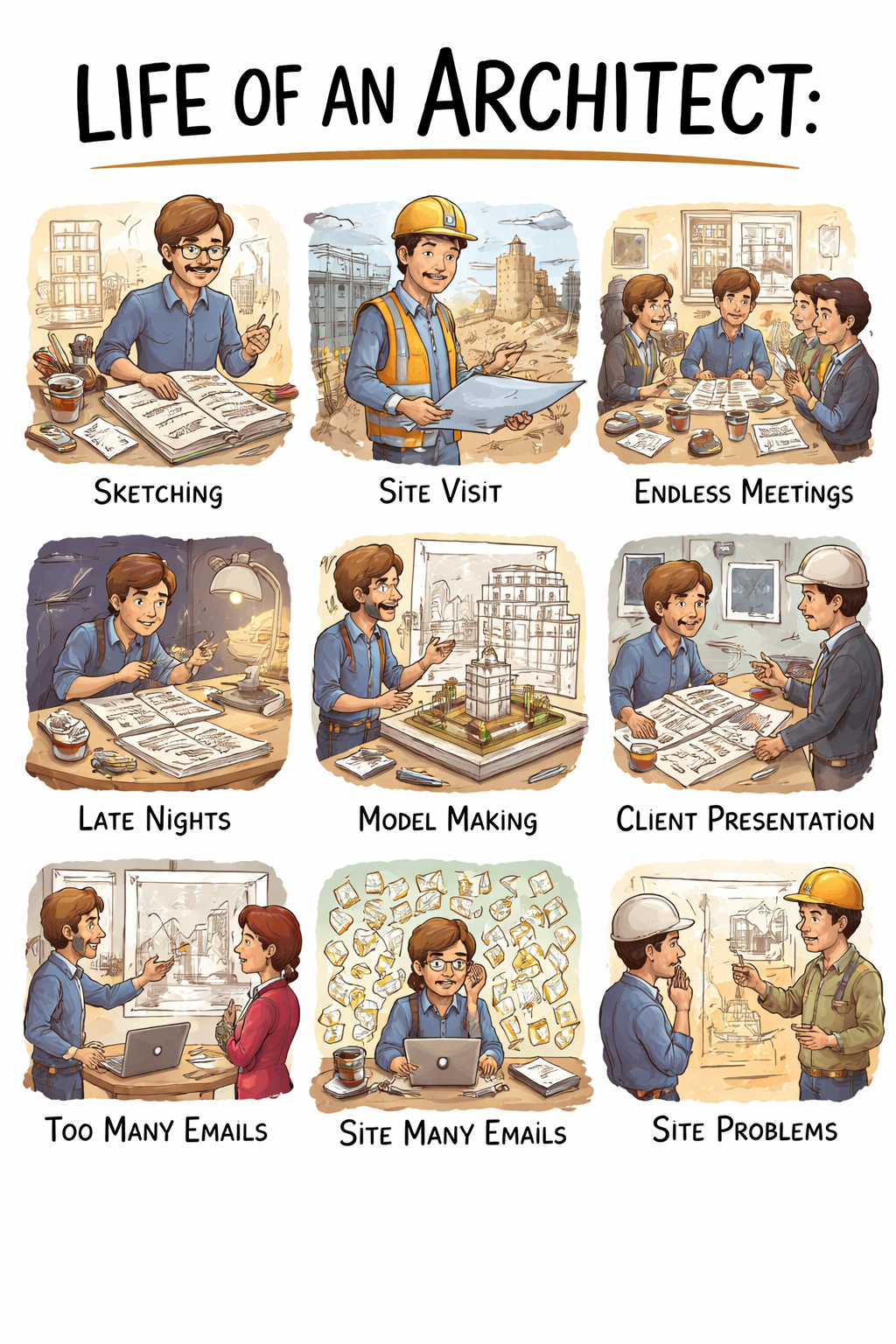
Learn more about the life of an architect, the workday, abilities, problems, and professional development by learning about what architects do and how to become a successful one.
Introduction
The architecture profession gives architects creative work that allows them to design their surroundings. Designers of buildings design constructions that will define human experiences in their day-to-day living. Architects perform all phases of their projects that start with initial ideas and end with project delivery.
The work demands creativity, technical skills, and communication skills. The basic task performed by architects to create society includes their design work, which goes beyond residential properties to mega commercial buildings. Architects use innovative design methods from technologies that are constantly developing to build their architectural profession.
Life of an Architect
Architects dedicate their professional lives to three main tasks, which include designing creative solutions and handling construction projects. Architects create building designs that provide practical use, safety, and aesthetic value for people who will use them.
The role of architects is to start with the identification of what the clients require and go on with the development of the project until the construction is completed and the work of the architects is terminated. The architects collaborate with engineers and contractors to create sketches, computerized models, and clear blueprints.
The architectural profession gives architects challenging work, which allows them to design their world. The designs of buildings developed by architects define how individuals will conduct their daily lives. Architects pass through each phase of their projects that start with the first ideas and end with project delivery.
The design profession provides architects with an opportunity to create designs that produce enduring changes that benefit entire communities.

What Does an Architect Do (Life of an Architect)
1. Designing Buildings and Spaces
The process of creating building designs stands as the main duty that architects fulfill throughout their professional existence. Architects design building plans and layouts that ensure that their structures function properly, maintain safety, and achieve aesthetic beauty. The team evaluates how space will be used, which light sources will be used, which air will be circulated, and how their actions will affect the environment.
2. Collaborating with Professionals
Architects are in constant contact with the engineers, contractors, and clients in the course of their work. The team cooperates in coming up with designs that meet the practical construction requirements as well as the available design standards.
3. Ensuring Safety and Regulations
Architects need to comply with building codes and safety regulations, which govern their work. Architects strive to ensure that their work is aimed at the creation of building durability and adherence to all legal requirements.
A Typical Day in the Life of an Architect
1. Morning Planning and Meetings
Architects start their workday when they review project documents and join their initial meeting of the day. Team members share updates about their work progress and client requirements while explaining their current work challenges.
2. Design and Drafting Work
Architects dedicate most of their working hours to design activities, which involve using advanced software tools. Architects spend their professional time developing design ideas through their drawing work.
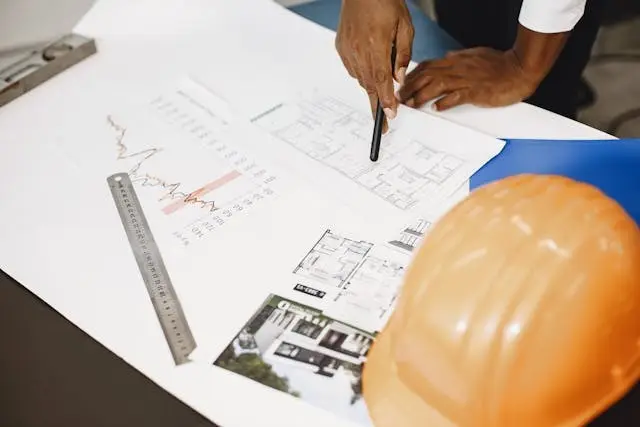
3. Site Visits and Problem Solving
Architects need to visit construction sites because they must examine how building work has progressed. The team solves problems while ensuring that all work operations meet the initial design requirements.
Work Environment in the Life of an Architect
Architects spend their office work time designing projects, operating software, and developing their presentation materials in office spaces. The workspace design enables teams to work together while fostering an environment that encourages new ideas.
Field Work Architects use both their office space and fieldwork to complete their professional duties. Construction site inspections play an essential role in assessing building development and confirming that architectural designs are being properly executed.
Remote and Freelance Work Architects can work from home or remote locations because modern technological developments have made remote architectural work accessible. Architects work as freelance consultants who provide services to clients located throughout the world.
Roles and Responsibilities in the Life of an Architect
1. Concept Development
Architects begin their first architectural work phase when they transform their design concepts into tangible visual forms. Architects create initial design plans by using their knowledge of client needs, site features, and environmental conditions. The project foundation development process establishes the basis that supports all project work.
2. Detailed Design and Documentation
Architects need to create precise architectural drawings, design documents,s and technical specifications. The construction team uses these documents as their operational framework, which enables them to complete their tasks with proper project execution.
3. Project Management
Project management functions as a regular part of an architect’s professional responsibilities. Architects must collaborate with contractors, engineers, and suppliers to ensure project completion within the established time frame and budget constraints.
Educational Path in the Life of an Architect
Architects begin their professional journey through formal academic training in architectural studies. The students acquire essential design skills together with construction methods and software competencies, which are necessary for their future professional work.
Architects need to obtain real-world work experience throughout their professional development. The internship program provides students with authentic work experience, which enables them to understand the challenges of managing actual work projects.
Architects need to obtain licenses as their primary requirement for working in the field. The architecture profession requires individuals to complete both examinations and regulatory obligations, which vary across different nations.
Importance of Creativity in the Life of an Architect
Designing Unique Structures: The process of architectural design enables designers to develop their creativity, which leads to their professional growth and their ability to build long-lasting changes in society. The profession exists as a prestigious field that provides its workers with high levels of job satisfaction.
Architects encounter three primary workplace challenges, which include their need to work overtime and handle high work demands, and their responsibility to meet customer needs within specific project deadlines.
Future Trends in the Life of an Architect
1. Smart Buildings
Architects will create intelligent building systems that utilize automated systems to improve building operational processes and enhance user experience.
2. Green Architecture
Architects must use sustainable practices that help reduce the environmental impact of their design work. Modern construction projects require builders to implement both sustainable materials and energy-efficient building methods.

3. Use of AI and Technology
Artificial intelligence, together with current design software, creates a new professional path for architects. The software enables architects to complete projects more quickly while achieving better design results.
Advantages and Disadvantages in the Life of an Architect
Advantages
Architectural work provides designers with creative independence while enabling their professional development and their chance to create enduring societal change. The profession maintains both high status and high job satisfaction.
Disadvantages
Architects experience three primary challenges at work, which include extended work hours, high work demands, and the necessity to complete work on schedule while meeting client needs.
FAQ
Is the life of an architect financially rewarding?
Financial success grows through experience, specialized skills, and strong client relationships. Architects who reach senior positions and become firm owners can acquire higher earnings through managing major projects, providing consulting services, and fulfilling executive duties.
Do architects need strong math skills?
Architects require math skills between basic and moderate levels to conduct measurements, establish proportions, and perform structural calculations. Design professionals need to know basic math skills, but geometric and spatial understanding are important for creating precise designs.
Can the life of an architect be creative?
Architects design unique buildings through their artistic vision, which they use to develop their creative work. Architects use their creative abilities to overcome design obstacles while testing different architectural styles and creating new design solutions that achieve visual appeal and practical use.
Is the life of an architect suitable for freelancers?
Freelancers who need to work whenever they want and be their own boss find architectural work to be their best option. Architects can choose from multiple work options because they handle private projects and provide consulting services while working remotely, which helps them balance their time and client needs.
Conclusion
The life of an architect creates a motivational professional path, which combines creative thinking and technical expertise with practical community benefits. Architects design cities, which enhance urban life and build permanent structures.
The architectural profession presents multiple challenges through its strict deadlines and high demands, yet it gives professionals valuable work experience and internal growth. The architectural profession keeps developing through new sustainable and smart technology trends, which create an exciting field for future development.

