Iran Crisis 2026: War, Protests & Regional Instability
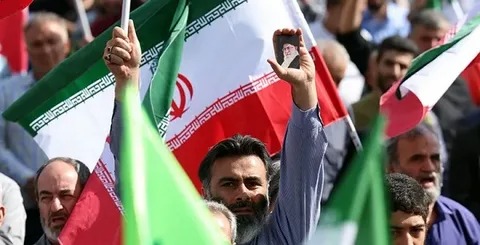
Get an in‑depth update on news about Iran: ongoing conflict with the U.S. and Israel, rejection of peace proposals, protest crackdowns, economic crisis, and global reactions the complete picture explained clearly.
Introduciton
The current news on Iran is filled with a feverish mix of military confrontation with the U.S. and Israel, economic disaster within the nation, vicious state crackdowns, and foreign diplomatic strains. Human rights abuses and civil unrest are on the rise, and Iran has not accepted cease-fire offers and conditions to peace talks, instead insisting on its own terms. The crisis is still weighing heavily on world economies, regional security, and geographical alliances.
What are the major humanitarian needs in Iran?
After the war, Iran has a humanitarian crisis affecting millions. The shortage of food and water is rampant, and many civilians are being left with foreign assistance. There is congestion in the medical infrastructure, hospitals are full to the brim, and there is also a shortage of necessary medicines.
Another issue is housing, where damaged houses by war traumatize families to any temporary shelter and tents to face disease and the inhumane environment. Children, the aged, and disabled people are more particularly susceptible, and as a result, there is a great need to coordinate humanitarian aid by the international community.
News about Iran Domestic Unrest: Protests and Crackdowns
1. Nationwide Protests
Independently but connected with wider dissatisfaction, Iranians have since the end of 2025 (and the beginning of 2026) gathered in large numbers on the streets. The demonstrations started with economic complaints such as increasing inflation and unemployment, and soon moved to wider political insurgencies.
Such protests have been violently suppressed by the state. Thousands of people have been killed or wounded during conflicts with security forces, according to human rights groups and independent reports.
Certain scholars and news outlets refer to incidents in other locations, such as Fardis and Rasht, as massacres due to high military presence in the area against the civil population.
2. Crackdowns and Human Rights
Massive arrests of activists, reformists, and average protesters have been undertaken by state authorities. The arrests are estimated to be about 3,000 by official accounts, though estimates by independent sources show that the number may be as high as 20,000.
It has also been reported that doctors who have attended to injured protesters have been arrested and tortured.
The sheer numbers of arrests, disappearances, and reported torture have drawn a flood of condemnation by human rights activists the world over. Watchdog organizations, including Amnesty International, Human Rights Watch, and others, are continuing to urge Iran to end abuses.
3. Economic Crisis and Social Impact
Iran’s chronic economic deterioration underpins much of today’s unrest. A confluence of factors led to the current crisis:
- International sanctions, particularly from the U.S., have severely limited Iran’s oil exports and foreign currency inflows.
- Inflation rates have skyrocketed, with public data showing rampant price hikes and deepening poverty.
- Together, economic mismanagement and geopolitical isolation have eroded living standards, prompting public frustration and contributing directly to sustained protests.
4. International Reaction and Diplomacy
The crisis has attracted widespread international attention:
-
- UN and Western nations have urged restraint and protection of human rights.
- Neighboring countries watch cautiously as tensions threaten to spread across the Middle East.
- Global markets, especially energy traders, are reacting to instability in the Strait of Hormuz, through which a significant share of world oil flows.
- Some countries engaged in shuttle diplomacy to encourage de‑escalation and prevent a wider regional war.
- who are the main parties in the Iran war?
Based on reports from late February and March 2026, the Iran war involves a coordinated offensive by the United States and Israel against Iran, with Tehran responding through both direct retaliation and its network of regional allies. The main parties directly involved include Iran, whose military sites, nuclear facilities, and leadership have been targeted; the United States, which launched surprise strikes beginning February 28, 2026, under President Trump after negotiations failed; and Israel, which collaborated with the U.S. to disrupt Iran’s nuclear program and strategic infrastructure.
Iranese reaction is based on its Axis of Resistance, a system of proxy organizations throughout the Middle East, such as Hezbollah in Lebanon, which exchanged rockets with Israel; the Islamic Resistance in Iraq (PMF), which attacks U.S. bases; the Houthis in Yemen, which attacks maritime and regional targets; and Hamas and Palestinian Islamic Jihad in Gaza, which are involved in the larger conflict.
Additional actors are involved indirectly: Pakistan served as a diplomatic mediator between the U.S. and Iran, while the UK and France offered defensive support to allies without engaging directly, and Gulf states like Kuwait and Qatar have been affected by Iranian attacks on regional U.S. bases and infrastructure.
How many people were displaced by the war?
The Iran war of 2026 triggered one of the largest displacement crises in the Middle East. Millions fled across borders to Turkey, Iraq, Jordan, and European nations seeking safety, while millions more remained internally displaced, living in temporary shelters, schools, or public buildings. Families often lack access to necessities such as food, clean water, and medical care. The displacement has created immense pressure on host countries’ infrastructure and humanitarian agencies, challenging global refugee support systems.
What role do sanctions play in the conflict?
Sanctions are a central aspect of the Iran conflict, and they are a major non-military tool to undermine the Iranian economy, curb its nuclear programmes, and its influence in the region. These steps, primarily driven by the United States and the European Union, focus on major areas of the Iranian economy: oil exports, banking, and military strength, which produce an excruciating economic burden but fail to compel the Tehran regime to alter its policies.
Sanctions can be used in several ways: to apply economic pressure by cutting off oil income and isolating Iran by blocking its access to the global financial system; to prevent nuclear proliferation by blocking access to sensitive technologies and materials; to prohibit Iran from supporting militant factions in the region; and to react to human rights violations by freezing the assets and banning the travel of persons and organizations engaged in violations.
FAQ
Are civilians being affected by the conflict?
Yes, Iranian cities face casualties, infrastructure damage, and disruptions to daily life as residents try to maintain normal routines amidst conflict.
Is Iran retaliating against attacks?
Iran has launched missiles and drone strikes targeting U.S. and Israeli interests across the region in response to attacks.
Are there protests against the war?
Yes, worldwide protests have occurred opposing the strikes, with demonstrations in multiple cities and some violent clashes reported.
Is internet access disrupted in Iran?
Iran experienced extensive internet blackouts during protests and conflict, limiting communications and information flow.
Are educational institutions attacked?
Missile attacks on schools in Iran have occurred, drawing international criticism as potential humanitarian law violations.
Conclusion
Iranian news today brings forth a convergence of war, domestic unrest, economic crisis, and human rights issues never witnessed before. Offers of ceasefire provided in accordance with foreign requests have been dismissed, and sovereignty and conditions are insisted on by Iran. Domestically, economic breakdown and political dissatisfaction have led to protests, and the harsh crackdown by the government has attracted internal and international criticism.
Meanwhile, global diplomacy is aimed at softening tensions and stabilizing a region that is a part of world energy markets and geopolitical equilibrium. The next step will have resonant effects well outside Iran.


