Guide to Tax and Money Management for UK Creatives

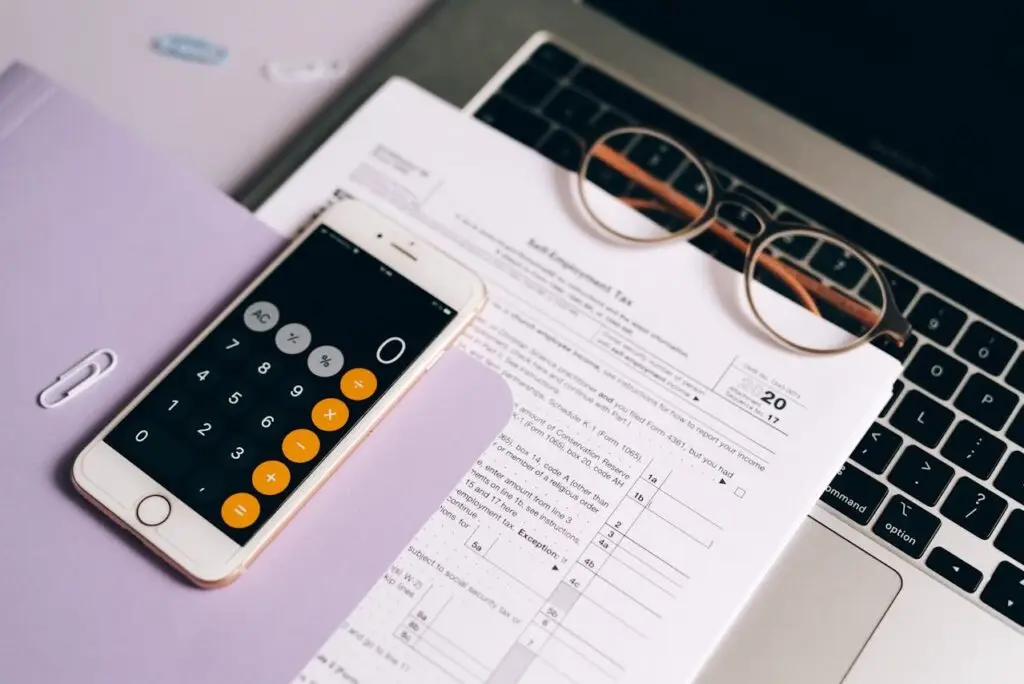
Learn tax and money management strategies for UK creatives, including budgeting, tax tips, and financial planning to secure your freelance career.
Introduction
Money management in the capacity of a creative person in the United Kingdom can prove to be difficult when considering that the source of income can be inconsistent and that there may also be several complexities relating to tax laws and compliance.
The Guide to Tax and Money Management for UK Creatives offers guidance on financial matters relating to freelance work, artistry, and small-scale creative businesses in the UK. Through this resource, creatives will have access to information about budgets, tax payments, deductions, investments, pension schemes, financial advice, and much more.
Tax and Money Management for UK Creatives
As a creative in the UK, being either a designer, musician, artist, writer, or someone who creates content online comes with its difficulties. The independence that freelancing or running one’s own business allows is indeed liberating, but the same cannot be said regarding the financial aspects that may become problematic for creatives who do not know how to manage them.
How to properly handle the money they make. To avoid any penalties and ensure stable finances, it is necessary to understand what money management is all about, especially as a UK creative
1. Understanding Your Tax Status
To begin with, you need to understand your tax status. The most common options among creatives in the UK include being a sole trader, a company, and partnerships.
- Sole Trader: This is the most straightforward tax situation. You become a self-employed person who will be liable for payment of Income Tax and National Insurance on your earnings. It’s perfect for a startup entrepreneur.
- Limited Company: Registration in this capacity offers several benefits but involves additional administrative duties. The tax liability is charged at the level of the company, which may pay a salary to its owners through dividends.
- Partnerships: Partnerships are good for collaboration and involve the splitting of the income earned. However, each of the partners is liable for taxation based on their share of the profit.
2. Registering with HMRC
After deciding your tax status, the next thing is to register with HM Revenue & Customs (HMRC). A sole trader should register for self-assessment, while a company should register in its capacity as a business with HMRC.
Non-compliance in registering or missing filing dates attracts penalties. It would be wise to keep track of filing and payment deadlines. This can be achieved by the use of reminder systems.
3. Keeping Accurate Records
Record keeping is the basis of effective financial management. As a UK creative artist, the following needs to be recorded properly.
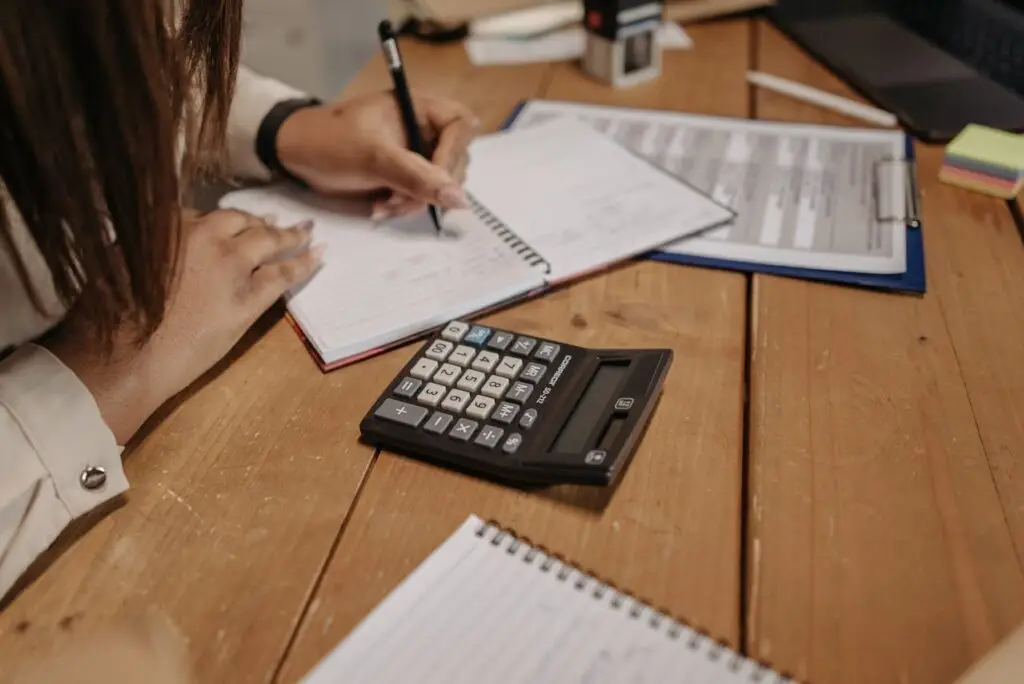
- Expenses: All expenses made in running the business must be recorded as deductions. Expenses incurred on purchasing software, computers, office rents, or traveling will be tax-deductible.
- Bank Statements: Keep a separate bank account for your creative business to avoid confusion.
4. Understanding Tax-Deductible Expenses
In order to reduce tax liability in the UK, UK creatives will need to look at allowable business expenses, which may include the following: Office rental, computer and other supplies used, software subscriptions, expenses involved in traveling, accountants and lawyers’ charges, as well as training.
At the same time, one must remember that personal expenditures cannot be deducted from business expenses. Therefore, proper documentation is very important for the calculation of expenses.
5. VAT Considerations
Moreover, if you earn more than £85,000 per year, you will have to register for VAT. VAT will allow reclaiming any tax paid on expenditure in connection with the carrying on of business activities, but at the same time, you will need to charge VAT for providing services. Even if you earn less than that amount, some creatives voluntarily register for VAT.
6. Budgeting and Managing Irregular Income
Since most freelancers in the UK lack salaries that are paid monthly salary, budgeting is important.
To begin with, you should be saving a certain proportion of money from every job. Typically, you should save 25-30% for Income Tax and National Insurance to make sure that you prepare for future tax obligations.
Secondly, creating a budget will enable you to manage times when there will be no income. Moreover, it is advisable to create an emergency fund that should consist of three to six months’ expenses. By doing so, you will not experience problems when you are running low on funds due to dry spells.
Tools and Software for Money Management
In terms of technology, there are plenty of tools and apps that can simplify the process of accounting and help the UK creative stay organised, track their income, and deal with tax obligations:
- Accounting Software: Applications such as Xero, QuickBooks, and FreeAgent enable users to track income and expenses, compile reports, and manage all processes related to taxation.
- Budgeting Apps: Applications like Yolt, Money Dashboard, and Emma help monitor cash flow, plan and adhere to the set budget, and prepare budgets during months without any income at all.
- Invoice Tracking Apps: Invoices may be prepared, sent out, and monitored through programs such as Wave and Zoho Invoice.
- Online Tax Calculators: Such calculators help conduct necessary computations while paying taxes, as they provide correct results.
Common Mistakes to Avoid
Solid Reasons UK Creatives Should Avoid Common Financial Mistakes
1. Prevent Legal Issues with HMRC
Inaccuracies like being late with submissions and under-reporting income can lead to penalties and even audits. Precision means that you follow UK tax laws.
2. Maximise Tax Efficiency
Lack of optimisation and effective management of deductibles increases your tax burden. Good accounting practices and optimisation will be beneficial from a monetary perspective.
3. Maintain Healthy Cash Flow
Separating business and personal finances and managing budgets in anticipation of erratic cash flows is necessary to ensure cash flow stability.
4. Secure Long-Term Financial Stability
Lack of planning for emergencies and retirement can cause issues in the future. Correctness in practices will ensure financial security in the long term.
FAQ
Do UK creatives need to register with HMRC?
Yes. Freelance and self-employed individuals need to enroll in Self-Assessment and file their income and tax payments. Limited companies require registration with HMRC and Companies House.
Can technology make financial management easier?
Yes. With accounting software, budgeting applications, invoicing applications, and HMRC calculation tools, financial mistakes can be minimized. Freelance individuals, with varying sources of income, would benefit from such tools.
Do I need to keep invoices and receipts?
Yes. The law requires that I keep all invoices and receipts for 5 years (self-assessment) and 6 years for limited companies.
Are software subscriptions deductible for creatives?
Yes. Subscriptions to software packages such as Adobe Creative Cloud, Final Cut Pro, or any work-specific software package are allowable costs.
Conclusion
Money management and taxation for UK creatives may seem intimidating; however, with appropriate processes and information, this becomes much easier to manage. It is important that one knows their tax responsibilities, keeps proper records, budgets for uncertain revenue, and plans for the future.
Using discipline and working with professionals, alongside having the proper technology, allows one to concentrate on their strengths and focus on what they do well. Financial management does more than just prevent stress; it provides security for a successful career in the future.


1 comment
Wow cool