Plastic Pollution: Effects on Wildlife & Human Health
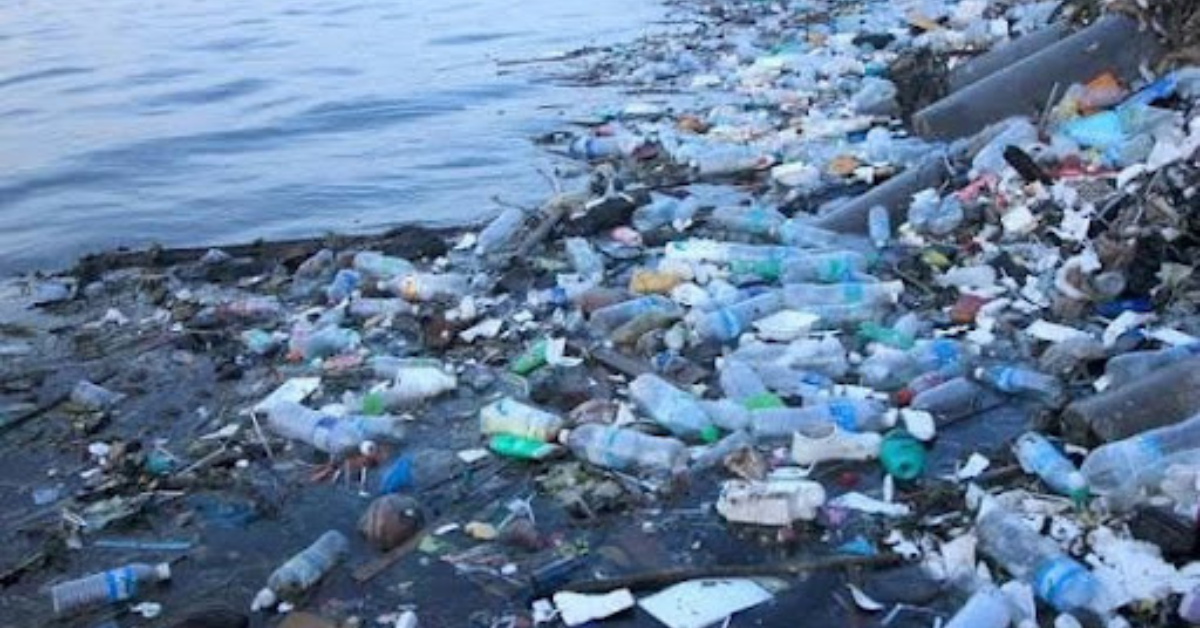
The effects of plastic pollution on animals, natural environments, and human well-being and the measures we can take to minimize its effects.
Discover the environmental consequences of plastic pollution including how it kills animals and damages nature, and also what dangers it can cause to people. Find out about ways such as reusing, garbage handling, changing actions, etc that you can do to minimize plastic waste.
Plastic’s convenience has made it almost essential in our daily lives. Besides being used in packaging, plastics also play a major role in the medical field by providing cost-effective solutions for different areas. Still, their resistance to decomposition, though (great) during usage, results in plastic waste becoming a lasting environmental problem.
We do have worldwide plastic waste management, but the situation is so bad that: More than 500 million tonnes of plastic are manufactured each year with only around 9% being recycled. The rest either gets discarded irresponsibly, accumulates in landfills, or escapes into our oceans and lands, causing drastic and, in some cases, irreversible damages to ecosystems and wildlife.
Introduction
This blog uncovers the environmental effects of plastic pollution, the ways it disrupts ecosystems, and the necessary actions that we need to take in order to prevent this problem from worsening.
Plastic pollution is the build-up of plastic items in the earth’s environment that causes negative impacts to wildlife, their habitats, and humans. This pollution may arise from various sources and is normally classified into 4 main types:
- Large Plastics
- Small Plastics
- Macroplastics
- Nano-plastic
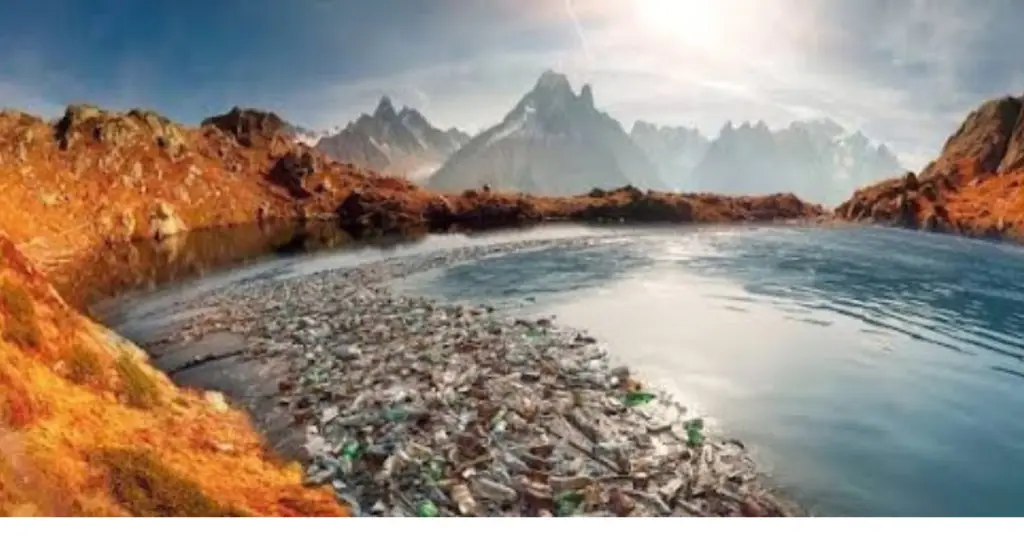
Refer to the big plastic items such as bottles, bags, fishing nets, and packaging. They are sourced primarily from land-based activities including littering, rivers dumping, runoff, and open dumps that contribute to more than 80% of marine plastic pollution. Small plastics (microplastics) are very tiny plastic particles, less than 5mm in dimension.
Nanoplastics are even tinier than microplastics, with sizes of less than 1m. These particles are invisible to the naked eye and can penetrate cells and biological tissues, thus presenting a serious risk to organisms at the cellular level.
When plastic waste breaks down, it releases different forms of plastic into the environment – from bigger pieces that can be seen to tiny microscopic particles and nano plastics that are practically impossible to remove once they get into ecosystems.
These plastics keep moving between air, land, and water, thus adding to pollution in every habitat on Earth.
How Plastics Harm Ecosystems
Plastic pollution is an environmental threat with a wide spectrum of effects on both land and aquatic ecosystems. The harm happens physically and chemically.
- Ingestion Plastic
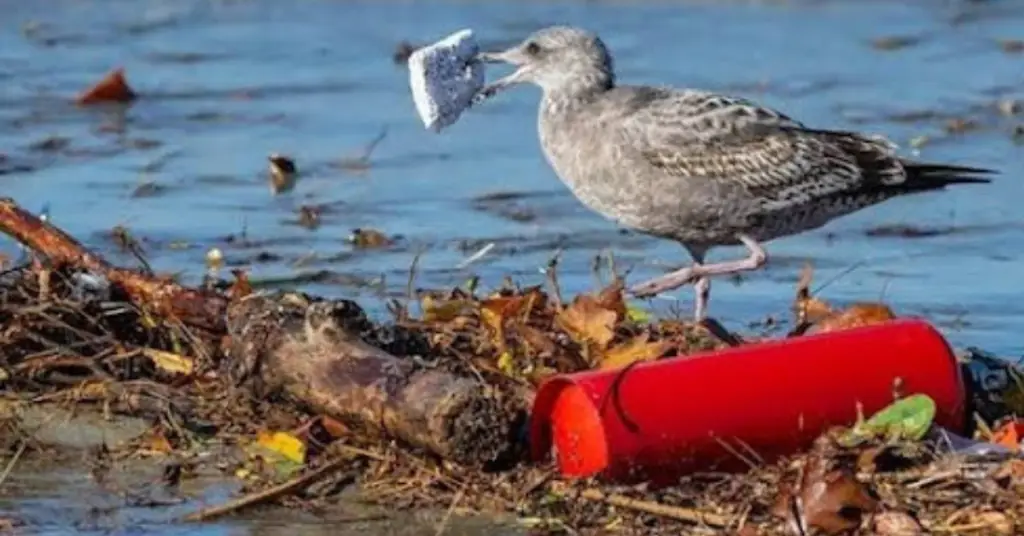
Consumption by animals is one of the very common causes of their injury. Unfortunately, marine animals comprise a large portion of those affected as they tend to confuse plastic waste with food. An illustration of this can be seen in sea turtles that, in addition to swallowing jellyfish, also consume plastic bags. Similarly, birds eat plastic particles, and fish, while filtering the water, ingest plastics of microscopic size. Plastic ingestion could be harmful in a number of ways:
1. Digestive system blockages
That hinders the animal’s ability to feed properly, which may lead to malnutrition and even death.
2. Animals being tricked into thinking that they have eaten enough
Leading to starvation as the real food intake is almost negligible.
3. Impairment of growth and reproductive issues:
In fact, trials on fish exposed to microplastics indicate slower growth and lower reproductive success.
It has been discovered that as much as 90% of seabirds and 52% of sea turtles have plastics inside their bodies when observed in the wild.
- Entanglement
Most of the plastic products that people throw away, e.g. fishing nets, ropes, and six-pack rings, pose a threat to animals since animals get tangled inside the plastic. Marine mammals, turtles , seabirds, and even coral reefs are all at risk. The problem is very bad in the oceans, especially with ghost nets (lost or discarded fishing gear), which kill an estimated 300,000 whales, dolphins, and porpoises every year.
Furthermore, research has revealed that plastic waste can inflict physical harm on coral reefs, as it aggravates and damages those vulnerable ecosystems.
- Habitat Alteration
Discarded plastic can alter the physical surroundings radically. For example, in the oceans, plastic debris mats on the surface cut off the sunlight and therefore stop photosynthesis in key marine plants such as seagrass and corals. Similarly, plastic litter on land can kill soil fauna by depriving them of oxygen and changing the soil chemical composition, resulting in less fertile soil and affecting the growth ability of plants.
- Chemical pollution
There is no doubt that plastics are chemically active. Basically, they include diverse chemical compounds that gradually come out into the environment, for example bisphenols, phthalates, and persistent organic pollutants (POPs). Such chemicals are able to interfere with the hormonal systems of animals, which leads to their stunted growth, decreased reproductive capability and lower resistance to diseases. On the other hand, microplastics may get covered by toxic substances and later, these toxins can bioaccumulate in the food chain and humans will be the last ones exposed to them. Moreover, this type of chemical pollution is not limited to marine life only but it also affects land and freshwater ecosystems.
Evidence of the Growing Crisis
Plastic pollution causes major harm. Around 14 million tons of plastic find their way into the ocean every year, making up to 80 percent of marine debris. Given that plastics can be found in virtually any part of our planet, there are no ecosystems left untouched by their harmful impact.
For example
Seabirds: All Northern fulmars, a type of bird in the North Sea, are thought to carry plastic in their stomachs, causing starvation and breeding problems. It is believed that more than one million seabirds perish each year as a result of plastic.
Sea Turtles: Seven different kinds of sea turtles have been found to have plastic in their digestive systems. Young turtles are particularly at risk of being suffocated by plastic bags and balloons.
Marine Mammals: Whales and dolphins have a tendency to eat large amounts of plastic, resulting in internal obstructions and, ultimately, death. An autopsy conducted in 2019 revealed that the body of a deceased whale contained 40kg of plastic.
Fish: Of the 500 kinds of fish studied, over 66% of them were found to have consumed plastic. In mussels and oysters, which filter water, traces of microplastic have been found. These microplastics might eventually affect people who eat seafood.
Solutions and Strategies
1. Better Waste Management and Recycling
The investment in advanced infrastructure is essential. An expansion of recycling programs, enhanced waste collection process, and decreased contamination rate will reduce the volume of plastic waste that will end up in landfills and oceans. The EU and other states worldwide aim to achieve impressive recycling targets, such as gathering 90% of plastic bottles by 2029.
2. Circular Economy and Product Design
The adoption of a circular economy is likely to contribute greatly to the decrease of plastic waste. The product should be created to ensure its reusability and recyclability. Companies could minimize plastic utilization by replacing disposable packaging with refillable solutions and choosing biodegradable substitutes. It would prevent waste generation by promoting the reutilization of materials.
3. Ban on Single-Use Plastics
The prohibition of disposable items has been proved to be effective in several regions. It allows minimizing plastic waste and encouraging the use of alternative materials. The Single-Use Plastics Directive has been adopted in the EU and successfully reduced disposable plastic products’ presence in people’s lives.
4. Extended Producer Responsibility (EPR)
EPR makes manufacturers responsible for the waste that their products make. This motivates them to develop products that are simpler to recycle and less plastic pollution is done at the source. Japan and several European countries are examples of EPR implementation. They have made their laws, in order, to increase the recycling rates and reduce waste.
5. Public Education and Behavioral Change
Reducing plastic waste highly depends on the consumers’ behavior. Educating the masses by campaigns on how they can reduce, reuse, and recycle plastics will help nurturing the sustainability culture. Minor personal measures such as disregarding plastic bottles and using fabric or mesh bags can bring about major decreases in plastic usage.
Conclusion
Plastic pollution is a worldwide environmental problem affecting ecosystems from marine to terrestrial environments and even humans. As more plastic keeps accumulating in the environment, the negative impacts of plastic pollution on wildlife, ecosystems, and human life have become clearer than ever before.
Though, there are ways out of this mess. Through better waste management practices, embracing a circular economy approach, and the use of policy tools such as bans on plastics, plastic pollution can be curbed, and ecosystems across the planet saved from further harm. The time to act is now.
FAQs
- How does plastic pollution impact marine and terrestrial ecosystems?
A: Plastic pollution damages ecosystems in many ways, such as through consumption, entanglement .Sea turtles, seabirds, and fish can mistake plastics for food, which results in blockage of their digestive systems, malnutrition, and sometimes their death. Marine mammals and birds become entangled with discarded fishing nets and other types of ropes that may lead to injuries and stop them from breathing. On land, organisms hidden in the soil may be literally suffocated by the presence of plastic waste, and the whole soil system may be changed, disrupting the life of both plants and animals. Besides that, plastics release harmful chemicals into the environment that can affect wildlife and human health through the food chain.
.


