Tokyo Restaurant Sign Sparks Debate on Food & Culture
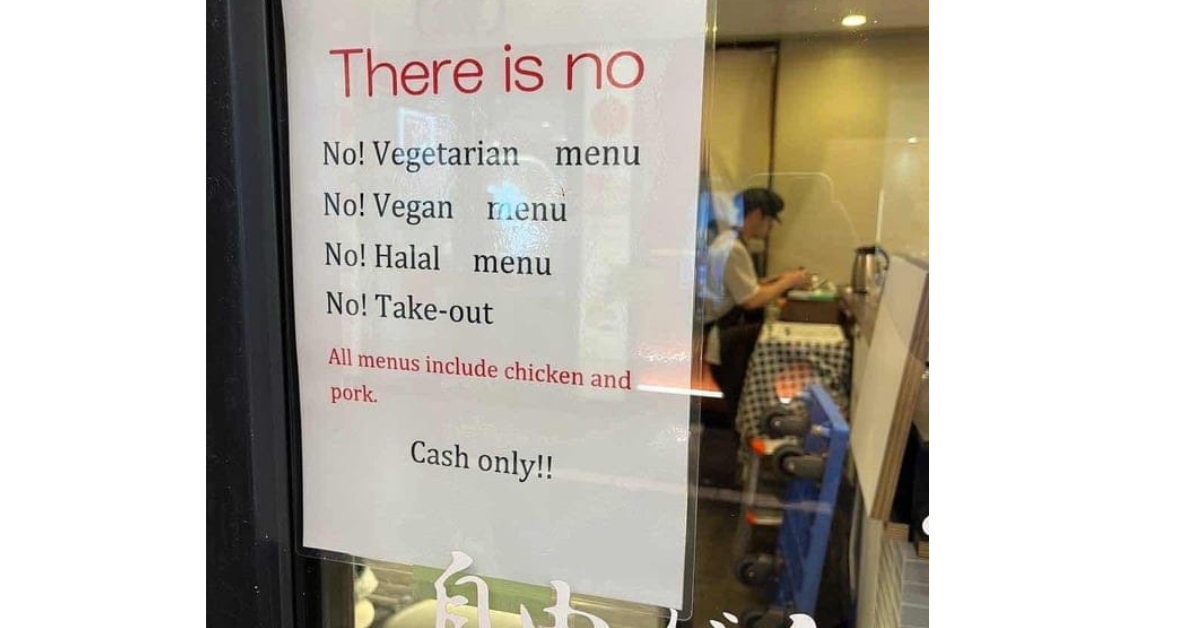
A viral sign bringing up discussions about cultural expectations, tourists’ behavior, and food preferences in Japanese restaurants.
A viral restaurant sign in Tokyo Japan which states that it does not serve vegetarian vegan halal menus, or take-out has stirred people up on the internet. Let’s explore its cultural background and the reasons behind the differing reactions from tourists and locals.
In today’s digitally connected world, an image can become viral in only a few hours, and it was a sign of a restaurant in Tokyo that has been causing a social media stir. The sign that drew the attention of the public was due to its characteristically straightforward and brutally honest stance, as it showed what the restaurant does not serve.
The sign pointed out that the restaurant only has a certain type of customers in mind by making it very obvious that they do not cater to vegetarians or halal eaters. In this way, we trace the story of this photo that whilst going viral came with the debate it triggered as well as the culture it is a part of.
The Sign That Sparked Debate
The restaurant sign, initially posted on social media, reads as follows in English:
There isn’t any…
No Vegetarian option
No Vegan option
No Halal option
No Take-out
Every menu offers chicken and pork
Cash only! The very direct phrasing of the sign’s statement instantly drew the attention of internet users worldwide. Although it is usual for eateries to indicate their ability to cater to or restrict certain diets, the manner in which this particular message was conveyed enumerating all the things the restaurant does not have is quite unusual.
Yet, the thing that really makes this sign different is the presence of some food categories which tourists are likely to expect whenever they go out for a meal e.g. vegetarian, vegan, or halal choices. As a result, some people who saw the sign described it as “unwelcoming, ” TOKYO is world famous, after all.
Cultural context
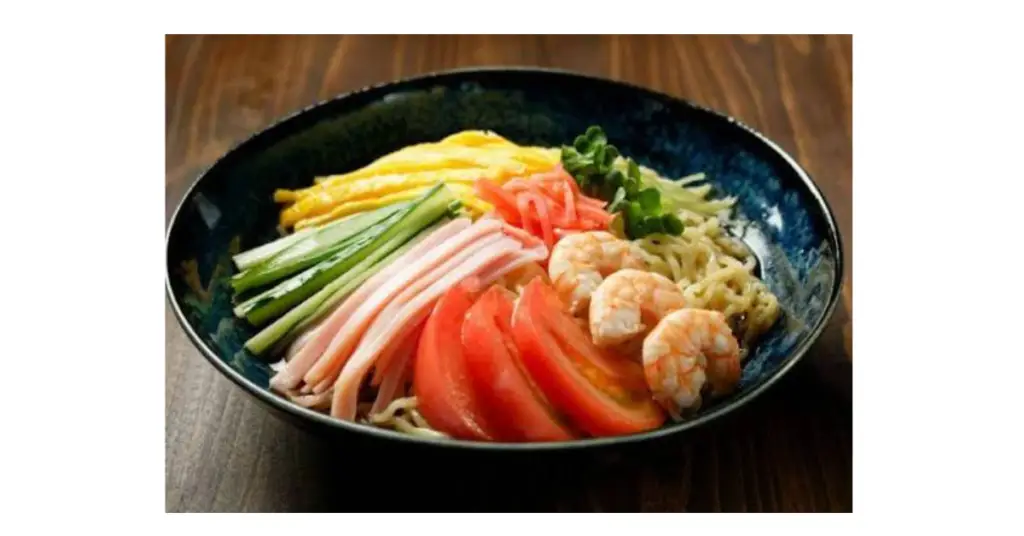
While a Western reaction to the sign might view it as harsh or dismissive, the fact is that other dietary choices such as veganism, vegetarianism or halal are hardly as common in Japan as in other parts of the world. Japanese food is mostly based on seafood, meat and fish and many small, local restaurants do not usually have alternative menus for people who do not eat meat.
That leads to another relevant aspect: actually, in Japan there are many small local restaurants where it is quite normal that the focus is on their main dishes, which very often might include pork, chicken, and fish.
Unlike large international cities where the accommodation to dietary restrictions in restaurants is a growing trend, Japan has basically preserved its food traditions, which in fact makes the bluntness of the signage quite reasonable in some contexts.
The absence of vegan, vegetarian or halal options shouldn’t be interpreted as a deliberate disrespect of tourists; rather, it is an expression of the restaurant’s business model and the preferences of its main customer base.
In other words, the sign is a functional tool that informs diners of the non-availability of these dietary options. Hence, it saves them the inconvenience of finding out about it after they have already sat down to eat, which is the point of the sign in the first place.
Jiyūgaoka: Where the Sign Likely Originated
The Japanese characters at the bottom of the board say (Jiyugaoka) which is a neighborhood in the Meguro ward of Tokyo, Japan. Jiygaoka is a place characterized by fancy shopping, dining, and cafe culture, and it is often called the “American Village” of Tokyo because of its international atmosphere and the large number of Western-style restaurants and stores.
Although there are quite a few restaurants in the area that offer vegetarian, vegan, and even halal options for example, Saido (a vegan Japanese restaurant with great reviews) and T’s Restaurant (a plant-based eatery).
Still, it should be emphasized that even though the Japanese characters spell Jiygaoka, there is no confirmed evidence that one restaurant in the district is the one to which the sign belongs. Apparently, the sign was shared extensively on social media without any official mention of a certain establishment. Though the picture was probably shot in Jigaoka, the restaurant’s name and precise locale are still unknown.
Tourist Reactions: Criticism or Understanding
This viral image caused a wide range of responses from tourists and social media users worldwide. A number of people found the sign harsh and unfriendly, with several saying that it might make the restaurant appear as if it does not welcome tourists who are most likely to have dietary preferences.
Other people though were in favor of the sign’s clear message, saying that the restaurant is just being truthful and is giving potential customers a chance to save time.
In a huge and multi-ethnic city like Tokyo, where tourists can be very easily confused with choices and the way a restaurant reveals what it offers and their limitations upfront may turn out to be a really useful service.
Here, the sign’s bluntness dispels any misunderstanding, thus making it very easy for people to make up their mind as to whether or not they want to have a meal there. Besides, the sign could even be seen as showing a cultural difference in the expectation of food.
Here in Japan, where food culture is mainly meat-based, it is much more common for people to eat in places that serve food to their liking and who do not feel the need to think about other people’s dietary choices.
In fact, throughout Japan, the emphasis on the main dishes is still prevailing and alternative dietary needs are not given much, if any, consideration.
Sign of the times
Whether or not this precise eatery situated in Jiyugaoka foresaw its sign creating a storm, there is no doubt about its influence. It has initiated a talk on how restaurants should present their menus in a multicultural environment. Besides, it points to the issue of how worldwide tourism impacts local food customs.
In a time when food inclusiveness is the trend, some might consider the bluntness of this notice a bit of a shock. Still, it is like a fresh breath that reminds us of cultural sensitivity and understanding.
Like many other countries, Japan sees eating out not only as a means to satisfy hunger but also a way to pass on tradition, indulge the palate, and experience the local culture.
Conclusion
The viral restaurant sign from Jiygaoka is a great example of the conflict between worldwide tourism and local dining habits. Some people may think of the sign as a rude and culturally insensitive message, while others may consider it an honest and straightforward approach that is often associated with small, local businesses.
The sign, no matter what one thinks of it, has led to serious conversations about food, tourism, and cultural differences in our ever-growing global world.
FAQ’S
1. The restaurant lists so many things it doesn’t offer – Why?
The restaurant’s sign is quite straightforward, almost rude, in mentioning what it does not offer. However, it is serving a double purpose – it is saving time and patients from getting confused, especially if they have certain dietary restrictions like veganism or halal diets.
2. Can you confirm the restaurant location?
The restaurant is probably located in the Jiyugaoka area of Tokyo, but no official source has confirmed the name or location of the establishment yet.
3. Why are there no vegan, vegetarian, or halal options in Japan?
Japanese cuisine is mostly centered around seafood and meat, so one won’t find many vegan or halal choices, especially in small local eateries. In fact, it is quite common, for instance, in traditional restaurants.
4. Are there vegan and halal-friendly restaurants in Jigaoka?
Absolutely, the area of Jigaoka is home to a good number of eateries that can accommodate vegan, vegetarian, and halal diets. Some of the famous ones are Saido and T’s Restaurant.


