UK Foreign Policy Under Keir Starmer: Diplomacy Over War
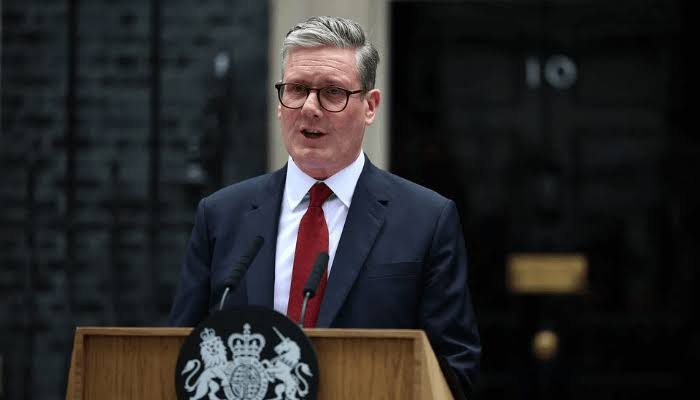
Keir Starmer’s firm rejection of military intervention in the Middle East highlights the UK’s commitment to diplomacy and national interest over foreign conflict.
The prime minister’s famous line about the UK not getting involved in any more military interventions in the Middle East has sparked a global debate on this country’s participation in foreign conflicts. Read on to see his opinion on a peaceful way of solving conflicts, pursuing one’s own interest and consider what direction the UK foreign policy will take in the future.
The Background: The Middle East Conflict
At the beginning of 2026, the Middle East conflict took a turn for the worse with Iran, Israel, and the United States expanding the hostilities to full-scale military operations.
The United States upped the ante with its NATO allies, the UK among them, to back military actions which might entail British ground troops and air support in the region. As the hostilities enlarged, it was wondered by many if the UK would be led to military involvement.
On the other hand, Starmer was very prompt to make the UK policy clear.
Starmer’s Stance: National Interest Above All
Keir Starmer’s government position on military involvement is quite clear:
the UK will not follow the U.S. in large-scale military actions unless there is a pressing national interest. Starmer stressed the need for diplomacy and prudence in several public and parliamentary speeches.
He was very explicit that deployment of British troops to a war, where the UK neither has an interest nor a threat, is simply not on the table.
Starmer’s approach has centered on diplomacy, sending humanitarian supplies, and backing allies logistically, without stepping into actual combat.
The viral line “I am not sending British kids to die in your war” isn’t exactly what he said, but it captures the spirit of his public tone. He never used those exact words, yet the sentiment fits his statements well.
The phrase was spreading widely, though it oversimplifies what Starmer actually said. Still, the basic concern about young lives being put at risk resonates with his position.

According to him, the UK will not participate in any more foreign wars that do not directly serve the country’s security or political interests. Many people consider this viewpoint as a responsible one
They have pointed out that previous military interventions, such as Iraq and Afghanistan, have resulted in a large number of innocent deaths and the eventual destabilization of the regions.
People’s Responses:
It’s a totally different story with the reactions to Starmer’s position:
Supporters of Starmer applaud his cautious attitude and method in which he honors British sovereignty. They are also fond of the fact that he emphasizes the need of avoiding any kind of escalation in the matter.
Those, especially on the right side of the political spectrum, who criticize are saying that the UK must fulfill its NATO duty and come to the defense of its allies without hesitation, especially during a very serious conflict.
However, it is the general public’s mood that is more in line with Starmer’s perspective: quite a few people think that the UK should concentrate on diplomatic channels and avoid getting involved in military operations.
The Bigger Picture: Reassessing the Role of the UK in Global Conflicts.

That quote which went viral, despite possibly being a bit overstated, sparked the wider debate about whether the UK should keep participating in military operations worldwide. Increasing expenditures, lack of clarity on the final impacts of limited military interventions might have convinced many that it is high time to start a new discussion on kier starmer foreign policy.
Starmer’s statement hits home for the people who are of the view that the UK should learn from its mistakes and refrain from committing its citizens to fighting in wars that lack clear objectives or are of no benefit to the country.
Conclusion: A Bold Leadership Decision
By deciding not to send British troops to the Middle East, Prime Minister Starmer is showing a big change in how diplomats around the world operate. His strong “No” to bringing in more soldiers to the war definitely shows how important it is to think twice and make wise decisions when dealing with other countries. Viral quote aside, it really sums up what he is all about as a leader: protecting British citizens and their way of life, and choosing diplomacy rather than using the army.
FAQs
- Why did Keir Starmer reject military involvement in Iran?
Starmer, the Prime Minister of the UK, has refused the idea of deploying British forces to Iran amidst the escalating crisis in Iran, Israel, and the USA. His move was based on a priority to national interest and the conviction that the UK ought to stay away from a military escalation that is not really necessary. Starmer pointed out that the UK will engage in fighting only in the case that there is a direct threat to the UK’s national security or a visibly distinct strategic advantage for the UK.
- What was the viral quote attributed to Keir Starmer?
The quote that has often gone viral and been attributed to Keir Starmer is: “I am not sending British children to die in your war.” However, Starmer did not say that exact line, but the underlying idea expresses his firm refusal of the UK getting military involvement in Iran where there is no direct national interest of the UK. This quote made a big impact on many people because it touched them emotionally and also it was consistent with the public image of Starmer as someone who is against military intervention.
- What is Keir Starmer’s stance on UK military involvement in Iran?
Starmer, Prime Minister of the UK, dismissed the suggestion of sending British troops to Iran amidst the growing crisis of Iran, Israel, and the US. He made his decision based on giving priority to the national interest and believing that the UK should be avoiding a military escalation that is quite unnecessary.
- How did the public respond to Starmer’s decision on military involvement in Iran?
The desire of the public for a military strike against Iran has surged after the media disclosed the US was planning such a strike, and that England should participate. However, when Keir Starmer announced the military action in Iran, most of the public responded positively. There are quite a few who are thankful for his dedication to British lives and his foreign policy which is very pragmatic. The position taken by Starmer is considered by many as a move to non-interventionism which is hardly surprising after the UK military interventions in Iraq and Afghanistan which have been the subject of many debates about how military escalation is wise or not. Nonetheless, a few disapprovers claim that Britain has a duty to offer support to its NATO allies more than ever.
- What impact will Keir Starmer’s stance have on UK foreign policy?
Keir Starmer foreign policy saying no to a military intervention in Iran is expected to be a move that will change the course of UK foreign policy significantly. Choosing to focus on diplomacy, building alliances, and doing humanitarian work instead of using force is a way that the UK is going to decide on taking part in international conflicts in the future. Such a position is a move towards non-interventionism, and it could change what the UK’s role will be in the global diplomacy and geopolitical scene for the near future.


