Iran–UAE War 2026: Why It Started, How It Escalated & What Happens Next
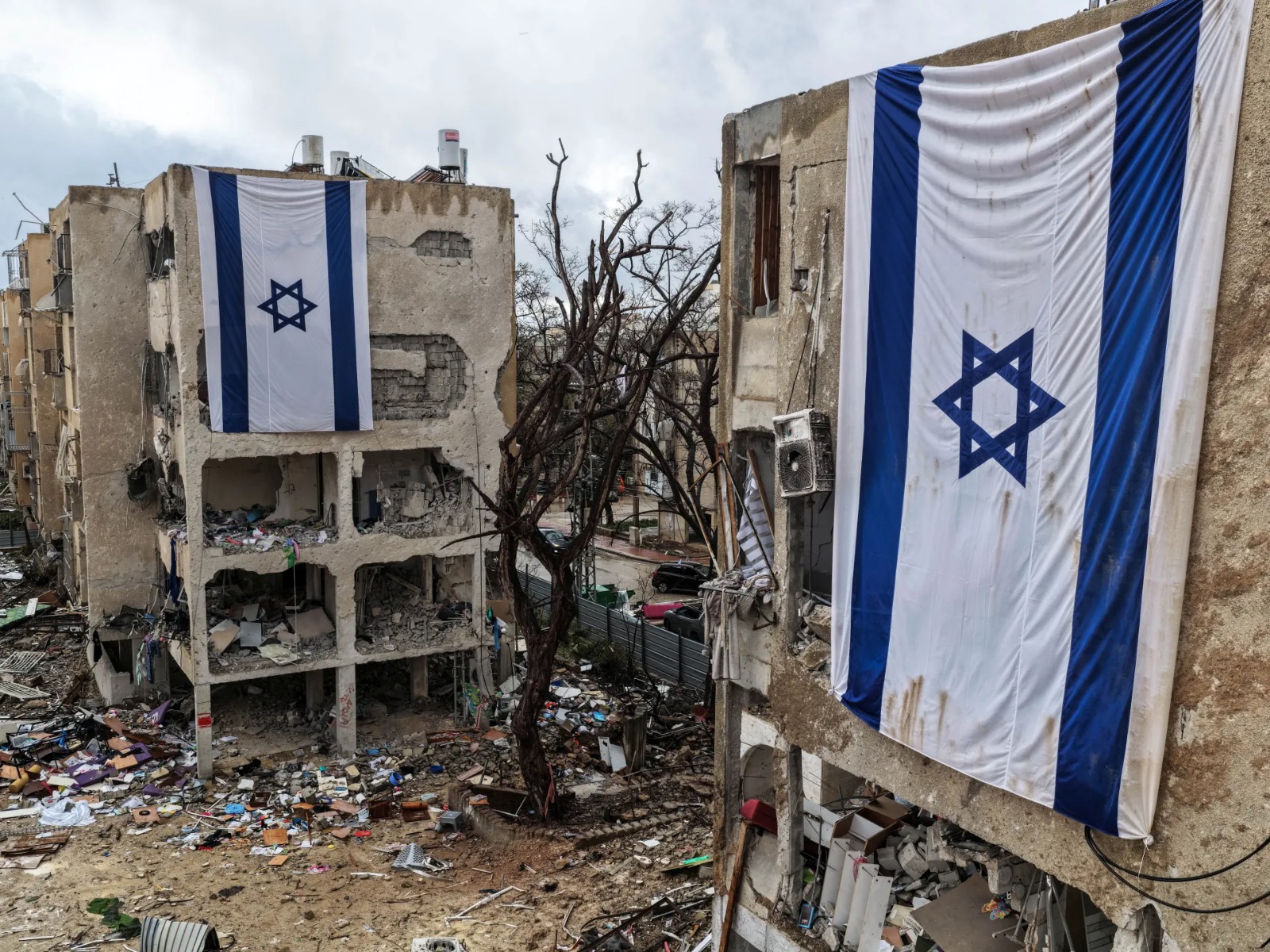
The 2026 Iran-UAE war escalated Gulf tensions with missile strikes, disrupting cities, energy markets, and global trade, drawing worldwide diplomatic attention.
Intdroduction
The Iran-UAE war is applied to explain one of the largest intensifications in the Middle East rivalry in 2026, as Iran proceeded with its routine missile and drone assaults on the United Arab Emirates, in reaction to the bigger conflict between it and the United States and Israel.
On 28 February 2026, UAE projectiles were used against hundreds of UAE cities, military bases, and infrastructure, killing people and destroying the infrastructure, which raised the eyebrows of the international community.
The attacks were a significant occurrence of one of the most direct engagements that the UAE has had over the last few decades, disrupting the normal lives, air travel, and security of the region in the midst of ongoing diplomatic processes.
Why Did the Iran-UAE War Start?
The tensions between Iran and the United Arab Emirates led to the war because of the increased geopolitical tensions in the Gulf. Iran viewed the UAE as a member of the United States and Israeli coalition that went against its interests in the region. Historical conflict of oil and strategic islands, differences in ideologies, and power to control the trade and energy routes going through the Gulf added more fire to the animosity.
The shift towards a direct military conflict against the UAE was the case of Iran and its missile and drone attacks on its cities and military bases that attracted the attention of the international community.
How Did the Conflict Escalate in 2026?
Iran soon took the war to the UAE front, and this prompted the war to escalate. The UAE cities and ports and the oil-related installations were hit by missiles and drones, and the UAE air defense systems stopped the majority of the attacks, even though some of them were destructive. The UAE is a target state since the U.S.-Israeli operations in Iran stimulated the intensification.
This transition of proxy warfare to direct attacks aggravated the tensions in the region, impacted the global energy markets, and aroused global diplomatic interest and anxieties as the global powers kept a close eye on the Gulf war that appeared to be expanding.
Why Is the UAE a Target?
The strong position of the UAE, its political orientation in the Western community, and economic power make it a crucial goal in the Iranian political strategy in the region. The Iranian country sees the UAE hosting military orchestration, intelligence activities, as well as trade networks,s which are against its aspiration in the Gulf.
Iran is trying to prove its strength, disrupt its allies in the region, and pass a political message by targeting the cities, oil installations, and military bases. Direct attacks on the UAE can also have their toll in the ongoing conflict because it is not only a country that is recognized as one of the largest exporters of energy, but also a regional player in terms of diplomatic relations.
How Is the UAE Responding Militarily?
The UAE has also reacted to the 2026 attacks by placing sophisticated air defense systems that can intercept ballistic missiles and drones. Intelligence sharing and quick reaction have been made stronger through military coordination with the U.S and Gulf allies. Although they intercepted them to reduce the number of casualties, there was some damage to infrastructure in the urban centers.
The actions by the UAE indicate the value of contemporary defense technology and the significance of strategic associations in securing civilian groups and the essential economic framework amid a very unstable dispute in the region.
Why Are Civilians at Risk?
The Iran-UAE war poses environmental danger to civilians in terms of missile attacks, debris, and destruction of civil infrastructure. Residential, schools, and hospitals, in particular, are at a high risk and must carry out more or more costly evacuations. There is a strain on the healthcare systems and emergency services, and thus, providing humanitarian assistance is difficult.
The war has generated a culture of fear and uncertainty in which the human price of the escalation of the region is depicted. The need to safeguard non-combatants and access to aid is still an emergency since the war continues to affect ordinary lives in the UAE.
How Has the Iran-UAE War Affected the Economy?
The Iran-UAE war has brought a hard hit to the trade, oil, and transport of energy in the Gulf. Ports and infrastructure were hit by the missiles, resulting in shipping delays, and the business and flights were cancelled and interrupted due to the fear of attacks.
The cost of oil went high because of the instability in major supply channels around the world. The war shows that military conflict in one small area can produce extreme impacts on the economies of both local and international markets that depend on a continuous energy supply and the Gulf trading connections.
Why Is the War Drawing International Attention?
The Iran-UAE war is of interest to the world community as it will result in the destabilization of the Gulf and the global energy market. The neighboring countries, like Saudi Arabia and Qatar, are caught up in the conflict following the spillover risks. The conflict is followed by neighboring nations such as Saudi Arabia and Qatar due to the spillover risks.
The loss of civilian life, trade disruptions, and regional instabilities are the issues that concern the world superpowers such as the U.S, the EU, and the United Nations. The war has highlighted the inseparable relationship that exists between the Middle East security and the international diplomacy and energy market and the global geopolitical strategies, and therefore it bears the utmost interest to international policy makers and the media.
How Could the Conflict End?
The diplomacy, the longer military confrontation, or the mediated ceasefires are the possible solutions to the iran war conflict between the UAE and Iran. Peace efforts are vital in the international intervention, humanitarian factors, and cooperation in the region.
The ceasefire arrangements would calm down the Gulf and eradicate additional civilian deaths, and any additional deterioration would engage other nations. The situation is serious to observe and guard the critical infrastructure, as well as facilitate the diplomatic discourse to mitigate the impact of the Iran-UAE war and prevent any additional crisis in the Middle East.
FAQ
Can the Iran-UAE war escalate further?
Yes, the conflict could escalate if Iran continues missile and drone strikes or if Gulf states engage militarily. Diplomatic intervention is critical to prevent a wider regional war.
Can the UAE defend itself against future attacks?
The UAE’s advanced air defense systems and coordination with allies provide strong protection, but missile and drone threats remain, requiring constant vigilance.
Why is the conflict drawing global attention?
The Iran-UAE war draws global attention because it threatens Gulf stability, disrupts international oil supply, affects global trade, and risks escalation involving world powers. Diplomats and organizations are closely monitoring to prevent wider regional and economic consequences.
Conclusion
The war between Iran and the UAE in 2026 has been able to reshape Gulf security, which has led to missiles being launched, civilian fatalities, and significant disruption to the economy, both in the energy and trade industries. International diplomacy is important as the world’s superpowers are closely monitored, and the tension in the region continues to increase.
The current attacks illustrate theimportances of combined defense and humanitarian aid. To secure the stability and avoid further intensification, it is necessary to comprehend the Iran-UAE war and urge diplomatic intervention towards peace.


